
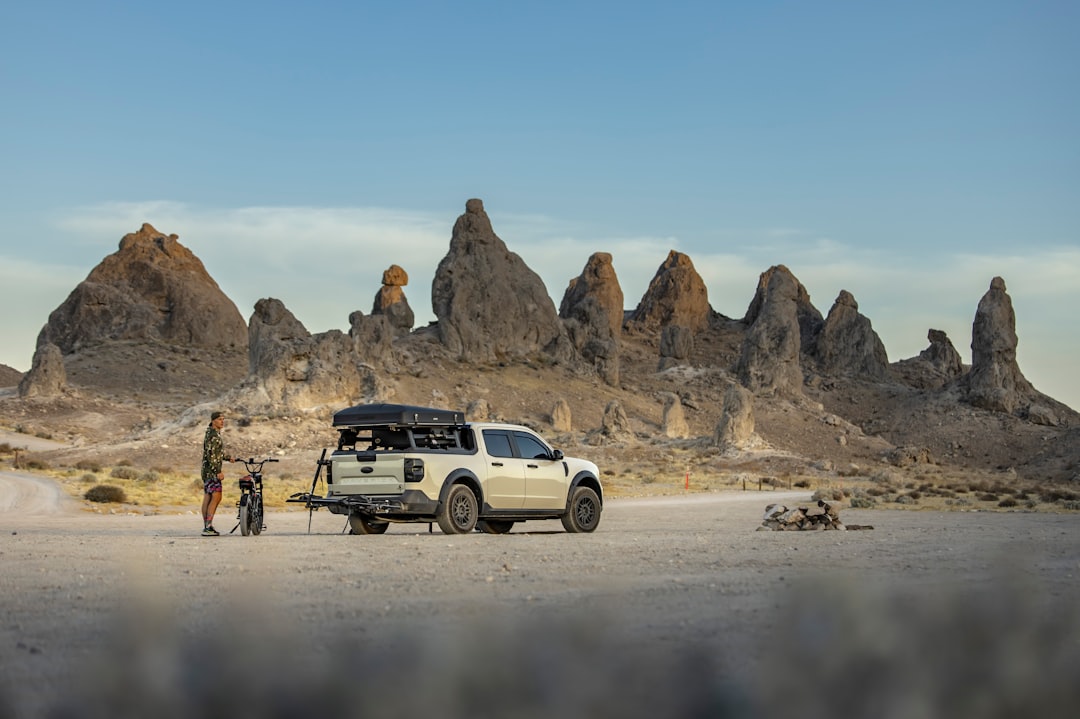
Choosing the right travel equipment for hiking can significantly enhance your outdoor experience. With so many options available, it can be overwhelming to determine what gear is essential and what is merely a luxury. This guide will help you navigate through the myriad of choices to find the best travel equipment that suits your hiking needs.
Understanding Your Hiking Needs
Before purchasing any travel gear, it is crucial to assess your hiking needs. Consider the type of terrain you will be traversing, the duration of your hikes, and the climate conditions you might encounter. For instance, if you plan to hike in mountainous regions, you may require specialized equipment like trekking poles or gaiters to navigate rocky paths effectively.
Additionally, think about your personal comfort and safety. Are you prone to blisters? If so, investing in high-quality hiking boots with proper support is essential. Understanding your specific requirements will guide you in selecting the right gear that enhances your hiking experience rather than hinders it.
Essential Hiking Gear
When it comes to essential hiking gear, a few items stand out as must-haves. First and foremost, a sturdy pair of hiking boots is vital. Look for boots that provide good ankle support and have a durable sole for traction. Additionally, consider the fit; boots should be snug but not too tight, allowing for some movement while preventing blisters.
Another essential item is a well-fitted backpack. Your backpack should be comfortable and appropriately sized for your body. It should also have enough capacity to carry your gear without being overly bulky. Look for features like padded shoulder straps, a hip belt for weight distribution, and multiple compartments for organization.
Clothing Choices for Hiking
Your clothing can make a significant difference in your hiking experience. Opt for moisture-wicking fabrics that keep you dry and comfortable. Layering is key; start with a moisture-wicking base layer, add an insulating layer for warmth, and finish with a waterproof outer layer to protect against the elements. This way, you can easily adjust your clothing based on the weather conditions.
Don’t forget about accessories such as hats, gloves, and sunglasses. These items can protect you from sun exposure and keep you warm in cooler temperatures. Investing in quality clothing will not only enhance your comfort but also improve your overall performance on the trail.
Navigation and Safety Gear
Navigation is a critical aspect of hiking, and having the right tools can prevent you from getting lost. A reliable map and compass are essential, even if you plan to use a GPS device. Technology can fail, and knowing how to read a map is a valuable skill. Additionally, consider carrying a portable charger for your devices to ensure they remain functional throughout your hike.
Safety gear is equally important. A first aid kit tailored to your needs can be a lifesaver in case of minor injuries. Include items like band-aids, antiseptic wipes, and any personal medications. Furthermore, a whistle and a multi-tool can be invaluable in emergency situations, providing you with the means to signal for help or make necessary repairs.
Step-by-step plan:
Step 1: Assess your hiking needs based on terrain, duration, and climate. Step 2: Invest in essential gear like sturdy hiking boots and a well-fitted backpack. Step 3: Choose appropriate clothing that allows for layering and moisture-wicking. Step 4: Equip yourself with navigation tools and safety gear for a secure hiking experience.